
What I learned from You Can See Everything

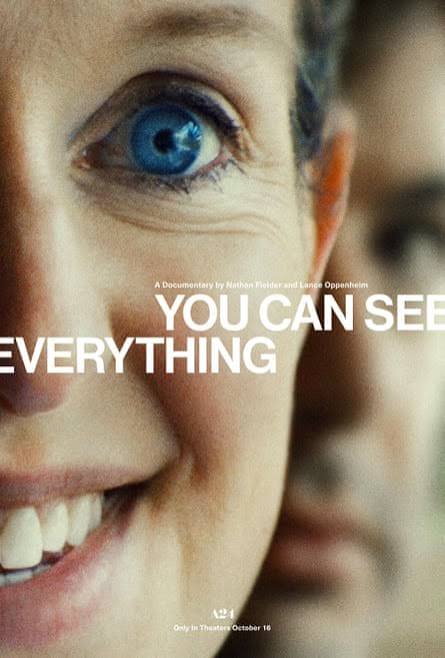
I went to see YCSE in the Gloria cinema in Copenhagen on Monday. I'd booked three weeks ahead, probably the first time I'd done that for a documentary. Here's what I learned:
-
Gen Z audiences will pay to watch something that makes them think, together in a cinema. Documentaries can make money if they’re presented like movies. YCSE has now made $100 million USD (though I’m not familiar enough with Hollywood accounting to know what that figure actually means).
-
Old stories can still work - don’t automatically think that ‘it’s been done’. The Elizabeth Holmes/Theranos case was over 12 years ago and there have been an Alex Gibney HBO documentary, a Hulu series, a two-hour 20/20 episode, and countless news and investigative pieces. An established story is good because it cuts through the noise.
-
Names are bankable - the director Nathan Fielder has a following, mostly in North America but he’s a name that attracts financiers and audiences. And Elizabeth Holmes/Theranos is still recent enough. ‘Remember that crazy story about…?’ Is a good way to draw people into a film.
-
The audience is very media aware - they get the different levels in the doc, and films about films (like YCSE). It’s a show about a show, a making-of a documentary, in which the setting up, Nathan with his low-tech wired headphones, the mistaken ‘hot mic’ bits, a meeting with the studio execs, is all part of the ‘you can see everything’ promise. Personally I found that all a bit self-indulgent, but Fielder is a performer and the audience wanted him on screen.
-
The intimacy, ordinariness, people-at-home aspect of the film is appealing to modern audiences, it feels comfortable. People found the film funny because they felt close to the characters. The flirty, in your face interviewing style - we’re seeing frame-filling faces all the time on social media - helped that. A lot of people talk about Holmes’ wide-eyed stare that you see on the poster.
-
The mostly under-30 audience in the cinema in Copenhagen where I saw it was excited about being there and eager to laugh at every Nathan Fielder deadpan.
-
Music is important. YCSE uses it constantly, switching between doc-mood to romcom to epic, while the film stayed inside peoples’ homes and occasionally cars. The mock-seriousness of it all was another of a meta-joke that the audience shared.
-
You can be unethical or manipulative so long as you say that’s what you’re doing. (Trump et al., passim). A24 (and Fielder?) made the otherwise problematic issue of Elizabeth Holmes and her boyfriend getting a cut of the documentary’s profits into a storyline in the film - hey, if we show we’re unethical and not independent of the subject, then that’s ok, right?
-
‘Truth’ is now a pretty flexible term. There were no revelations - or even attempts to look for them - in the film, but the audience bought into that. Maybe they’ll google articles about the losses that her investors suffered, the people who trusted their health to her invention, and reviews that are less than 5 stars, like this Guardian one.
-
I'm sure every commissioner or funder of a celebrity/true crime/fraud documentary will be looking at the success of the film. Louis Theroux and Nick Broomfield, who have made many films in this genre, may be wondering how they get in on the act. I wonder what the next cab off the rank will be?


